

BOXER Diaphragm Pumps

Specifications
- execution options: PP, PVDF/ECTFE, ALU and stainless steel AISI 316;
- Possibility of operation in explosive environments (ATEX certification, zones 1-2);
- the ability to use in harsh operating conditions and high humidity;
- the ability to work in dry mode;
- dry self-priming mode;
- as a drive - the energy of compressed air without any presence of lubricant particles;
- adjustable performance and operating suction head;
- precise speed adjustment at constant pressure;
- the possibility of double piping (two suction and pressure pipelines);
- three suction and three exhaust manifolds;
- diaphragm pumps for thick, viscous products.
Materials

PP
(Polypropylene)

ECTFE
(Teflon)

Alu
(Aluminum)

AISI 316
(Stainless steel)
The advantages of diaphragm pumps
Diaphragm pumps are powered by compressed air.
- Simple design - no motor and gearbox, no rotating parts;
- As a drive - the energy of compressed air, no sparking, absolute safety when working with flammable liquids;
- Compact size and light weight;
- The versatility of pumps - pumping water, viscous liquids, liquids with solids inclusions up to 12-15 mm in diameter;
- The pumps are free of seals and bearings - guaranteeing no leaks or wear on key parts;
- Ease of performance regulation;
- The pump does not require lubrication of the mechanisms.
Diaphragm pump device
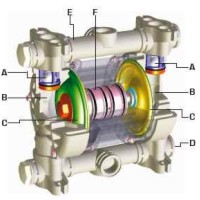
Diaphragm pumps consist of a centrally located coaxial pneumatic device with new generation diaphragms connected to the shaft. Ball valves are located on both sides of the pump housing. valves and corresponding seats on the suction and discharge ports.
A=ball valves
B=pumping chamber
C=membranes
D=inlet
E=outlet connection
F=air motor
The principle of operation of the diaphragm pump
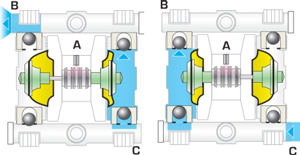
The compressed air from the coaxial heat exchanger (A), which enters through one of the two membranes, compresses and pushes the pumped product through the outlet (B). Absorption of liquid occurs in as a result of the reduced pressure created by the membrane located opposite (C) and the component with the shaft of the coaxial device is a single whole. After each vibration, the pneumatic coaxial the heat exchanger directs the compressed air to the opposite diaphragm and then the cycle repeats.
Technical data
| Pump model | MicroBoxer | MiniBoxer | Boxer 50 | Boxer 80 | Boxer 81 |
 |
 |
|
 |
|
|
| Intake/discharge holes | G 1/2 " | G 1/2 " | G 1/2 " | G 1 " | G 1 " |
| Air inlet | G 1/4 " | G 1/2 " | G 1/2 " | G 1/2 " | G 1/2 " |
| Max. fence height in dry condition, m | 5 | 5 | 5 | 5 | 6 |
| Max. performance, l/min | 30 | 50 | 50 | 90 | 100 |
| Max. head, m | 70 | 70 | 70 | 70 | 70 |
| Max. valid input air pressure, bar | 7 | 7 | 7 | 7 | 7 |
| Max. diameter of solid particles, mm | 2 | 3 | 4 | 4 | 4 |
| Net weight PP, kg | 1.6 | 3.6 | - | - | 5.0 |
| Net weight PVDF (* ECTFE), kg | 1.9 | 4.2 | - | - | 6.5 |
| Net weight Alu, kg | - | - | 4.0 | - | 6.5 |
| Net weight AISI 316, kg | - | 6.5 | - | 10.5 | - |
| Materials (edit) pump versions | PP, PVDF Alu, AISI 316 |
PP, ECTFE AISI 316 |
Alu | AISI 316 | PP |


| Pump model | Boxer 100 | Boxer 150 | Boxer 251 | Boxer 502 | Boxer 503 |
 |
 |
 |
 |
 |
|
| Intake/discharge holes | G 1 " | G 1 1/4 " | G 1 1/2 " | G 2 " | G 3 " |
| Air inlet | G 1/2 " | G 1/2 " | G 1/2 " | G 1/2 " | G 1/2 " |
| Max. fence height in dry condition, m | 5 | 5 | 6 | 4 | 5 |
| Max. productivity, l/min | 150 | 220 | 340 | 650 | 850 |
| Max. head, m | 70 | 70 | 70 | 70 | 70 |
| Max. admissible inlet air pressure, bar | 7 | 7 | 7 | 7 | 7 |
| Max. diameter of solid particles, mm | 4 | 5 | 6 | 8 | 10 |
| Net weight PP, kg | 7.5 | 12 | - | 54 | 56 |
| Net weight PVDF, kg | 8.5 | 14 | - | 65 | 67 |
| Net weight Alu, kg | 8.2 | 16 | 21 | - | - |
| Net weight AISI 316, kg | 11 | 21 | 32 | 49 | - |
| Pump execution materials | PP PVDF |
PP, PVDF Alu, AISI |
Alu, AISI 316 |
Alu | AISI 316 |
Basic installation types for Boxer diaphragm pumps
Diaphragm pumps must be bolted horizontally to the floor or to the holes provided for the shaft a heat exchanger located horizontally.
- reagent self-priming mode (max.viscosity 10000 cP at 20 °C);
- work as a barrel pump (max. viscosity 10,000 cP at 20 °C);
- positive suction lift of the reagent (max. viscosity 50,000 cP at 20 °C);
- full immersion in the pumped medium (max. viscosity 50,000 cP at 20 °C) on request;
- double version of suction and discharge manifold (max. viscosity 50,000 cP at 20 °C);
- double intake manifold (max. viscosity 50,000 cP at 20 °C)..
Self-priming operation

Working as a barrel pump

Positive suction lift

Full immersion in the pumped medium

Double intake and exhaust manifold

Double suction manifold
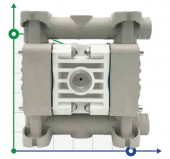
| Producer | DEBEM |
| Pump capacity, m3/h | 1.02 |
| Feed height, m | 80 |
| Material | PP |
| Input pipe diameter | 3/8" |
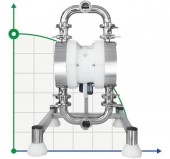
| Producer | DEBEM |
| Pump capacity, m3/h | 7.2 |
| Feed height, m | 70 |
| Material | AISI 316L |
| Input pipe diameter | 1 1/2" |
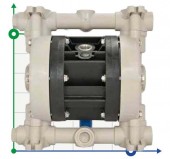
| Producer | DEBEM |
| Pump capacity, m3/h | 3 |
| Feed height, m | 70 |
| Material | PP |
| Input pipe diameter | 1/2" |
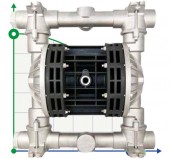
| Producer | DEBEM |
| Pump capacity, m3/h | 20.4 |
| Feed height, m | 70 |
| Material | AL |
| Input pipe diameter | 1 1/2" |
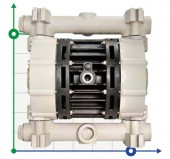
| Producer | DEBEM |
| Pump capacity, m3/h | 9 |
| Feed height, m | 70 |
| Material | PP |
| Input pipe diameter | 1" |
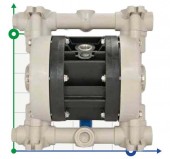
| Producer | DEBEM |
| Pump capacity, m3/h | 3 |
| Feed height, m | 70 |
| Material | PP |
| Input pipe diameter | 1/2" |
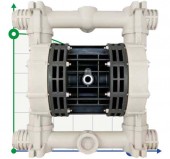
| Producer | DEBEM |
| Pump capacity, m3/h | 20.4 |
| Feed height, m | 70 |
| Material | PP |
| Input pipe diameter | 1 1/2" |
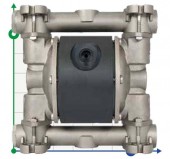
| Producer | DEBEM |
| Pump capacity, m3/h | 1.8 |
| Feed height, m | 70 |
| Material | AISI 316 stainless steel |
| Input pipe diameter | 1/2" |
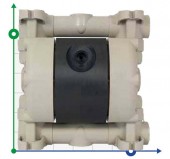
| Producer | DEBEM |
| Pump capacity, m3/h | 1.8 |
| Feed height, m | 70 |
| Material | PP |
| Input pipe diameter | 1/2" |
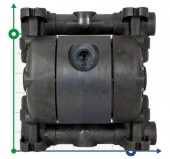
| Producer | DEBEM |
| Pump capacity, m3/h | 1.8 |
| Feed height, m | 70 |
| Material | PVDF |
| Input pipe diameter | 1/2" |
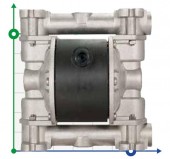
| Producer | DEBEM |
| Pump capacity, m3/h | 1.8 |
| Feed height, m | 70 |
| Material | AL |
| Input pipe diameter | 1/2" |
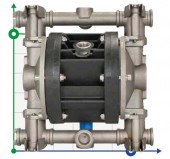
| Producer | DEBEM |
| Pump capacity, m3/h | 3 |
| Feed height, m | 70 |
| Material | AISI 316 stainless steel |
| Input pipe diameter | 1/2" |
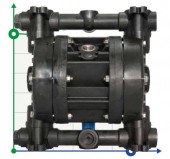
| Producer | DEBEM |
| Pump capacity, m3/h | 3 |
| Feed height, m | 70 |
| Material | PVDF |
| Input pipe diameter | 1/2" |
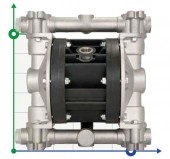
| Producer | DEBEM |
| Pump capacity, m3/h | 3 |
| Feed height, m | 70 |
| Material | AL |
| Input pipe diameter | 1/2" |
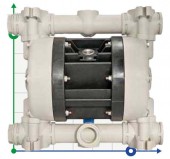
| Producer | DEBEM |
| Pump capacity, m3/h | 6 |
| Feed height, m | 70 |
| Material | PP |
| Input pipe diameter | 1" |
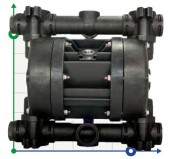
| Producer | DEBEM |
| Pump capacity, m3/h | 6 |
| Feed height, m | 70 |
| Material | PVDF |
| Input pipe diameter | 1" |
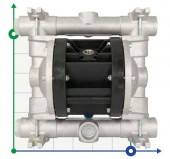
| Producer | DEBEM |
| Pump capacity, m3/h | 6 |
| Feed height, m | 70 |
| Material | AL |
| Input pipe diameter | 1" |
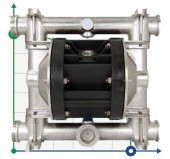
| Producer | DEBEM |
| Pump capacity, m3/h | 6 |
| Feed height, m | 70 |
| Material | AISI 316 stainless steel |
| Input pipe diameter | 1" |
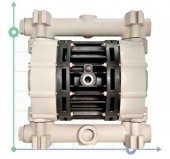
| Producer | DEBEM |
| Pump capacity, m3/h | 9 |
| Feed height, m | 70 |
| Material | PP |
| Input pipe diameter | 1" |
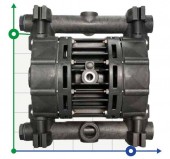
| Producer | DEBEM |
| Pump capacity, m3/h | 9 |
| Feed height, m | 70 |
| Material | PVDF |
| Input pipe diameter | 1" |
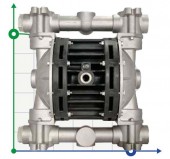
| Producer | DEBEM |
| Pump capacity, m3/h | 9 |
| Feed height, m | 70 |
| Material | AL |
| Input pipe diameter | 1" |
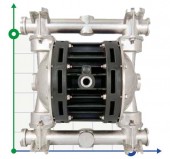
| Producer | DEBEM |
| Pump capacity, m3/h | 9 |
| Feed height, m | 70 |
| Material | AISI 316 stainless steel |
| Input pipe diameter | 1" |
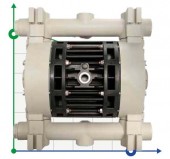
| Producer | DEBEM |
| Pump capacity, m3/h | 13.2 |
| Feed height, m | 70 |
| Material | PP |
| Input pipe diameter | 1 1/2" |
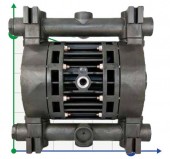
| Producer | DEBEM |
| Pump capacity, m3/h | 13.2 |
| Feed height, m | 70 |
| Material | PVDF |
| Input pipe diameter | 1 1/2" |
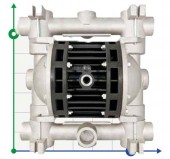
| Producer | DEBEM |
| Pump capacity, m3/h | 13.2 |
| Feed height, m | 70 |
| Material | AL |
| Input pipe diameter | 1 1/2" |
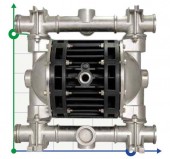
| Producer | DEBEM |
| Pump capacity, m3/h | 13.2 |
| Feed height, m | 70 |
| Material | AISI 316 stainless steel |
| Input pipe diameter | 1 1/2" |
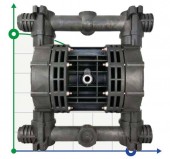
| Producer | DEBEM |
| Pump capacity, m3/h | 20.4 |
| Feed height, m | 70 |
| Material | PVDF |
| Input pipe diameter | 1 1/2" |
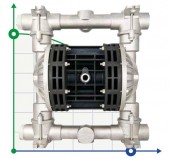
| Producer | DEBEM |
| Pump capacity, m3/h | 20.4 |
| Feed height, m | 70 |
| Material | AL |
| Input pipe diameter | 1 1/2" |
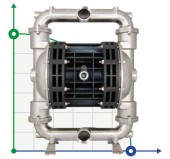
| Producer | DEBEM |
| Pump capacity, m3/h | 20.4 |
| Feed height, m | 70 |
| Material | AISI 316 stainless steel |
| Input pipe diameter | 1 1/2" |
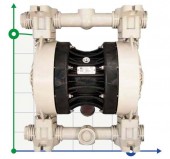
| Producer | DEBEM |
| Pump capacity, m3/h | 39 |
| Feed height, m | 70 |
| Material | PP |
| Input pipe diameter | 2" |


